Contents
- What Even Happens in This Book?
- This is Japanese Slice-of-Life, and It's a Whole Mood
- The Café as a Character
- Characters Who Feel Like Real People
- The Power of Small Kindnesses
- When Nothing Happens But Everything Changes
- Why This Book Feels Necessary Right Now
- It's Not Perfect, But That's Okay
- Who This Book Is For
- The Feeling It Leaves You With
- Wrap Up
You know those days when everything feels too loud? When your brain won’t shut up, when the news is terrible, when work is exhausting, when you’re just… tired?
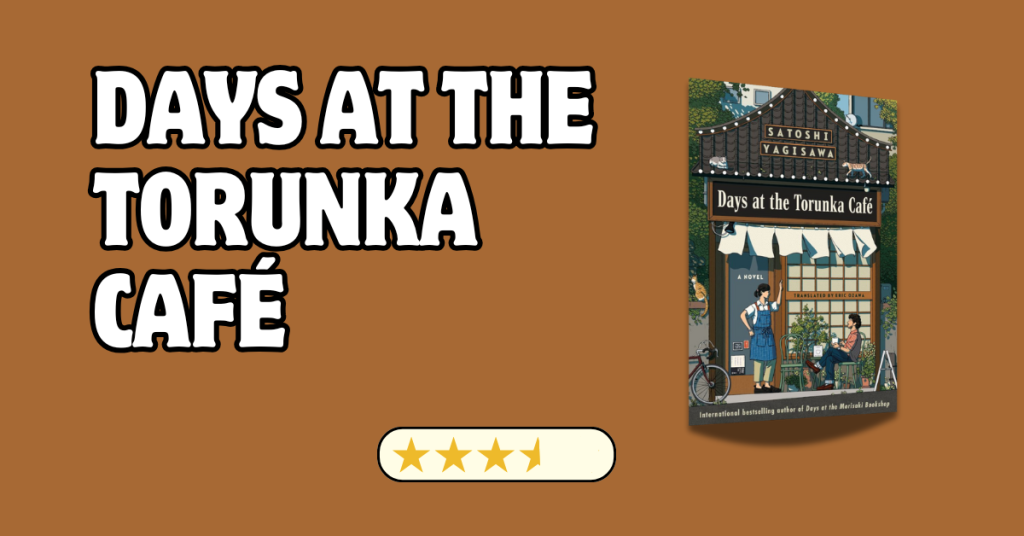
Days at the Torunka Café is for those days.
This isn’t a book that’s going to blow your mind. It’s not going to make you gasp or cry or throw it across the room in shock. There’s no murder. No betrayal. No dramatic plot twists that change everything.
And honestly? That’s exactly what makes it special.
What Even Happens in This Book?
Not much. And I mean that in the best way possible.
The book has three stories, all connected to this little café in Japan called Torunka. Different people come in. They have coffee. They talk. They think. They leave.
That’s pretty much it.
But somehow, in those quiet moments—those ordinary conversations over coffee—something shifts. Not dramatically. Not obviously. But by the end, these people feel different. A little lighter. A little more okay with things.
The first story is about someone looking for… I don’t even know how to describe it. Stability? Comfort? A place where they can just exist without having to perform or explain themselves?
They find it at the café. Not because anything magical happens. Just because the place is warm. The owner is kind. The coffee is good. And for a little while, they can breathe.
The second story focuses more on connections between people. Not romance, exactly. Not deep friendship either. Just… that thing that happens when two people who are both struggling somehow end up in the same place at the same time and realize they’re not completely alone.
It’s about the small acts of kindness that don’t cost anything but mean everything. Someone remembering how you take your coffee. Someone asking how you’re doing and actually waiting for the answer. Someone sitting with you in silence when words don’t help.
The third story wraps everything up by showing how these small moments—these tiny interactions—can actually change things. Not fix everything. Not solve all your problems. But make life feel a little more bearable.
This is Japanese Slice-of-Life, and It’s a Whole Mood
If you’ve never read Japanese slice-of-life fiction before, this is what it’s like:
Nothing explodes. Nobody dies (usually). There’s no villain to defeat or mystery to solve.
Instead, you get people living their regular lives. Making tea. Walking to work. Sitting in cafés. Having quiet conversations.
And somehow, it’s not boring. It’s… peaceful. Gentle. Like watching clouds drift by or listening to rain.
Western books often feel like they’re racing somewhere. There’s a goal. A climax. A resolution. Everything has to build to something big.
Japanese slice-of-life doesn’t work that way. It’s more like: here are some people. Here are some moments from their lives. Sit with them for a while. Notice the small things. Feel what they’re feeling.
At first, if you’re not used to it, you might think “Where’s this going? When does the actual story start?”
But then you realize: this IS the story. The small stuff. The everyday stuff. The moments that don’t seem important but actually are.
It’s about paying attention. Being present. Noticing things you usually miss because you’re always rushing to the next thing.
The Café as a Character
The Torunka Café isn’t just a location. It’s almost a character itself.
You know those places that just feel right? Where you walk in and immediately relax? Where the lighting is perfect and the temperature is comfortable and everything smells good and you just want to stay forever?
That’s this café.
People come in stressed, sad, lonely, confused. They sit down. They order coffee. And slowly—without them even realizing it—they start to feel better.
Not because the café is magic. Not because the owner gives them life-changing advice. Just because it’s a good place. A safe place. A place where they can stop pretending everything’s fine and just… be.
We all need places like that. And people too—people who create that kind of space for us. Who don’t try to fix us or give us answers. Who just let us exist without judgment.
The owner of the café is like that. Quiet. Observant. Kind in small, unobtrusive ways. Making good coffee. Remembering regulars. Knowing when to chat and when to leave people alone.
It’s not dramatic. But it matters so much.
Characters Who Feel Like Real People
The people in these stories aren’t heroes or geniuses or particularly special in any obvious way.
They’re just… people. Regular people dealing with regular problems.
Someone who’s lonely and doesn’t quite know how to connect with others.
Someone who’s tired from work and life and trying to figure out if this is all there is.
Someone who’s lost something—a relationship, a dream, a sense of direction—and is trying to find their way again.
They’re not perfectly written in the sense of being complex literary creations with intricate backstories and psychological depth.
They’re perfectly written in the sense that they feel real. Like people you might actually meet. Like people you might actually be.
And that’s what makes the stories work. You recognize yourself in them. Or you recognize someone you know. Or you recognize feelings you’ve had but never quite put into words.
The Power of Small Kindnesses
One thing this book does really well is show how much small acts of kindness matter.
Not grand gestures. Not dramatic rescues. Just… small things.
Making someone a cup of coffee the way they like it.
Listening when someone needs to talk.
Sitting quietly with someone who’s sad.
Remembering details about someone’s life.
Offering a smile to a stranger who looks like they’re having a rough day.
These things seem tiny. Meaningless, almost. But they’re not.
When you’re struggling, when life feels heavy, when you’re barely holding it together—those small kindnesses can be the difference between making it through the day and not.
A stranger being unexpectedly nice to you can make you cry because you realize how much you needed it.
Someone remembering something you mentioned weeks ago can make you feel seen in a way you haven’t felt in forever.
A place where you feel welcome and safe can become the one thing you look forward to in a week full of things you dread.
The book doesn’t preach about this. It just shows it. Over and over. In different ways.
And by the end, you’re thinking about the small kindnesses in your own life. The ones you’ve received. The ones you’ve given. The ones you maybe should give more often.
When Nothing Happens But Everything Changes
Here’s the thing about this book: if you described the plot to someone, it would sound boring.
“Someone goes to a café and has coffee and talks to people and then leaves feeling slightly better.”
Okay… and?
But that’s missing the point entirely.
Because what happens in these stories isn’t about external events. It’s about internal shifts.
Someone who felt alone realizes they’re not.
Someone who felt stuck realizes there might be other options.
Someone who felt hopeless finds a tiny spark of hope.
These aren’t dramatic revelations. There’s no moment where someone suddenly understands everything and their whole life changes.
It’s quieter than that. More gradual. More realistic.
It’s the way change actually happens in real life—slowly, in small increments, through accumulated moments rather than single epiphanies.
And somehow, reading about that is more satisfying than reading about dramatic transformations that would never actually happen.
Why This Book Feels Necessary Right Now
We live in a world that’s so loud. So fast. So full of urgent breaking news and hot takes and things you’re supposed to care about immediately and passionately.
Everything’s intense. Everything’s dramatic. Everything’s either amazing or terrible with no in-between.
And it’s exhausting.
Days at the Torunka Café is the opposite of all that.
It’s quiet. Slow. Gentle.
It’s not trying to shock you or impress you or make you feel anything extreme.
It’s just… there. Warm and comforting. Like a good cup of tea on a cold day.
And right now, I think a lot of us need that. Need books that aren’t demanding or intense. Need stories that feel like a break from the noise rather than more noise.
This book is a reminder that not everything has to be big and dramatic to matter. That small moments count. That ordinary life—the everyday stuff we usually ignore because we’re waiting for something more exciting—is actually where most of real life happens.
And maybe we should pay more attention to it.
It’s Not Perfect, But That’s Okay
Let me be honest: this book has flaws.
The writing is simple. Sometimes too simple. You’re not going to find gorgeous poetic language or stunning metaphors.
The stories are predictable. You basically know how each one is going to end from the beginning.
The characters aren’t deeply complex. You don’t get detailed psychological portraits or surprising character development.
If you’re looking for literary fiction that challenges you intellectually, this isn’t it.
But you know what? I don’t think it’s trying to be that.
It’s trying to be comforting. Soothing. A soft place to land when you’re tired.
And for that purpose, the simplicity works. You don’t have to work hard to understand it. You can just sink into it and let it wash over you.
Sometimes you want a book that makes you think hard and work to understand what’s happening.
Sometimes you want a book that just makes you feel okay for a little while.
This is the second kind.
Who This Book Is For
This book is for you if:
- You’re stressed and need something calming.
- You’re tired of intense, heavy books and want something gentle.
- You like Japanese culture and slice-of-life stories.
- You appreciate quiet, character-focused fiction.
- You find comfort in the small, ordinary moments of life.
- You need a reminder that it’s okay to slow down.
This book is NOT for you if:
- You need fast-paced plots with lots of action.
- You want complex, challenging literary fiction.
- You get bored when “nothing happens.”
- You’re looking for deep philosophical insights.
- You need every book to be profound and mind-blowing.
Neither is wrong. It just depends what you’re looking for.
The Feeling It Leaves You With
When I finished Days at the Torunka Café, I didn’t feel excited or energized or like I’d just discovered something groundbreaking.
I felt… calm. Content. Like I’d just spent time with gentle, kind people in a peaceful place.
I wanted to make myself a cup of tea and sit quietly for a while.
I thought about the cafés I love. The people who’ve been unexpectedly kind to me. The small moments that have made hard days bearable.
I felt grateful for those things in a way I usually don’t stop to feel because I’m too busy rushing to the next thing.
That’s what this book does. It makes you pause. It makes you notice. It makes you appreciate the small, quiet, ordinary good things that are easy to overlook.
And honestly? In a world that constantly demands your attention and energy and emotion, a book that helps you slow down and breathe is pretty valuable.
Wrap Up
Days at the Torunka Café isn’t going to change your life. It’s not going to solve your problems or answer big questions or leave you gasping at its brilliance.
But it might make you feel a little better for a little while.
It might remind you to be kinder—to others and to yourself.
It might help you notice the good things you usually miss.
It might give you a few hours of peace in a chaotic world.
And sometimes, that’s exactly what you need from a book.
Not fireworks. Not drama. Not intensity.
Just warmth. Comfort. A reminder that life doesn’t have to be extraordinary to be good.
That ordinary days—days spent in cafés, having coffee, talking to people, sitting quietly—can be enough.
That small kindnesses matter.
That you’re not alone.
That somewhere, there’s a warm corner waiting for you whenever you need it.
This book is that warm corner. And right now, I think a lot of us could use one.
So if you’re tired, if you’re overwhelmed, if you just need a break—pick up Days at the Torunka Café.
Curl up somewhere comfortable.
And let yourself slow down for a little while.
You deserve it.
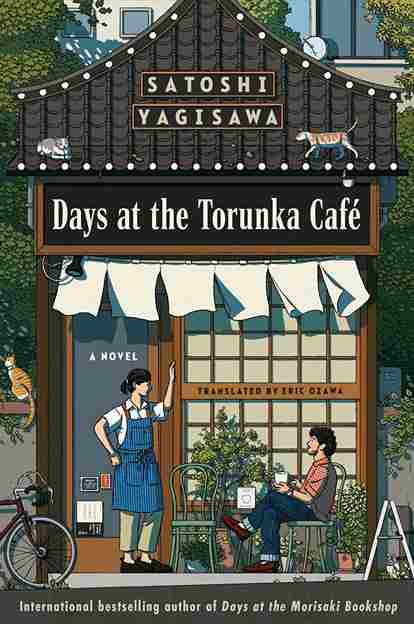
Curious to step into a café where time slows and people heal in small, ordinary ways?
Disclosure: This is an Amazon affiliate link. I may earn a small commission at no extra cost to you.